You’ve sat through one too many virtual events that feel like watching paint dry on Zoom.
Yeah. The ones where everyone’s muted, the chat is empty, and you’re just waiting for it to end.
I’ve been there. More times than I care to count.
Most virtual gaming events aren’t games at all. They’re glorified icebreakers with dice rolled by a robot.
They don’t spark joy. They don’t build real connection. They just fill time.
The Online Gaming Event Thehakevent is different.
It’s built for people who hate fake fun and want something that actually lands.
I’ve watched groups play it live. Seen strangers laugh like they’ve known each other for years.
This isn’t about points or leaderboards. It’s about presence.
In this article, I’ll walk you through exactly how it works (what) happens, why it clicks, and who it’s really for.
No hype. Just what happens when you press start.
Thehakevent Isn’t Just Another Zoom Call
I’ve sat through enough virtual events to recognize real energy when I feel it.
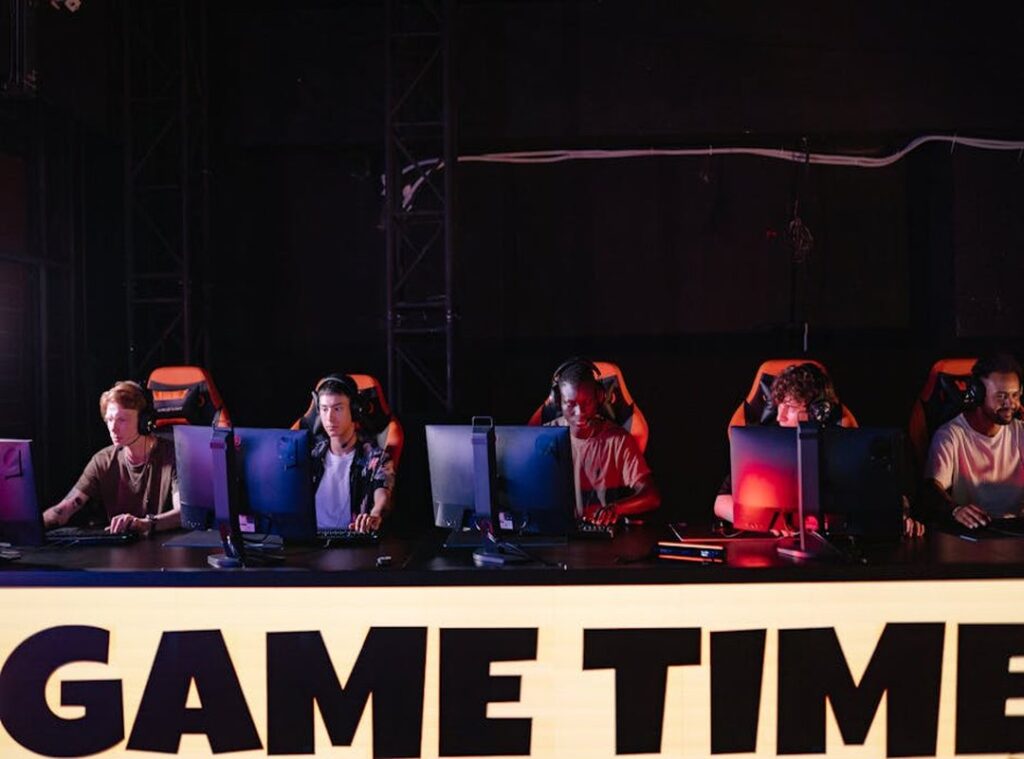
Thehakevent is a live, hosted online gaming event. Not a platform, not a game you download, not a webinar with a mute button and a prayer.
It’s a 90-minute session where people solve puzzles together while a human host cracks jokes, adjusts difficulty on the fly, and keeps things moving. (Yes, that’s rare.)
You’re not watching slides. You’re not stuck in gallery view wondering if your mic is on. You’re not grinding solo in some multiplayer lobby where no one says hello.
Compare that to passive webinars. Where you zone out after five minutes. Or Zoom happy hours.
Where small talk dies at minute seven. Or standard online games (where) teamwork means typing “gg” and ghosting.
Thehakevent flips the script. It forces collaboration. Not competition.
Not observation. Collaboration.
The host isn’t just there for show. They read the room. They nudge quiet people in.
They pause when someone’s stuck. That’s not theater. It’s facilitation with teeth.
Virtual fatigue? Yeah, it’s real. My eyes hurt.
My brain checks out. But during Thehakevent, I forget I’m on a laptop. I lean in.
I laugh. I actually remember people’s names.
That’s because it’s built around rhythm, not runtime. Short bursts. Clear goals.
Human timing.
The Online Gaming Event Thehakevent works because it treats attention like a finite resource. And respects it.
Thehakevent starts with a warm intro, not a login screen.
Most virtual events try to replicate in-person energy. This one builds its own.
And honestly? It’s the only online thing I’ve recommended to my non-gamer friends.
They showed up skeptical. They left asking when the next one is.
Try it once. Then ask yourself: why do we still tolerate the rest?
Inside the Arena: What You’ll Actually Play
I ran one of these last year. Not as a spectator. As a player.
And I got wrecked.
First up: Signal Relay. You’re on a four-person team. One person sees a shifting grid of symbols.
The rest of you get blank screens. Your job? Describe what you see. without naming colors or shapes.
Just spatial relationships. Like “top-left corner pulses after the center blinks twice.”
It’s brutal. And it works your communication muscle like nothing else.
Does your team default to one loud voice? Or do you actually listen? (Spoiler: the quiet ones usually win.)
Next: Circuit Swap. You get a tangled mess of logic gates on screen. Each person controls one gate type.
AND, OR, NOT. But you can’t see the others’ inputs. You have to swap positions every 90 seconds.
You learn fast whether your team trusts guesses or demands proof.
I watched two engineers argue for 47 seconds about whether an XOR was hiding in plain sight. They were right. They lost anyway.
Because they forgot to hit “commit” before time ran out.
Then there’s Echo Vault. A timed audio puzzle. You hear layered voice clips.
Overlapping phrases, reversed snippets, background static. One person hears the full mix. Everyone else gets filtered versions.
You reconstruct the original message together.
It rewards patience. And shuts down know-it-alls. Fast.
The variety isn’t accidental. Introverts anchor Signal Relay. Extroverts thrive in Circuit Swap chaos.
Audio-focused folks own Echo Vault.
No single personality dominates. That’s the point.
The Online Gaming Event doesn’t test who’s fastest or loudest. It tests who adapts (and) who listens when the system breaks.
Pro tip: Assign a timekeeper before round one. Every team that skipped this lost at least 12 seconds fumbling with the timer.
You don’t need to be a gamer to play. You just need to show up ready to miscommunicate (then) fix it.
More Than Just a Game: Real Connection, Not Just Points
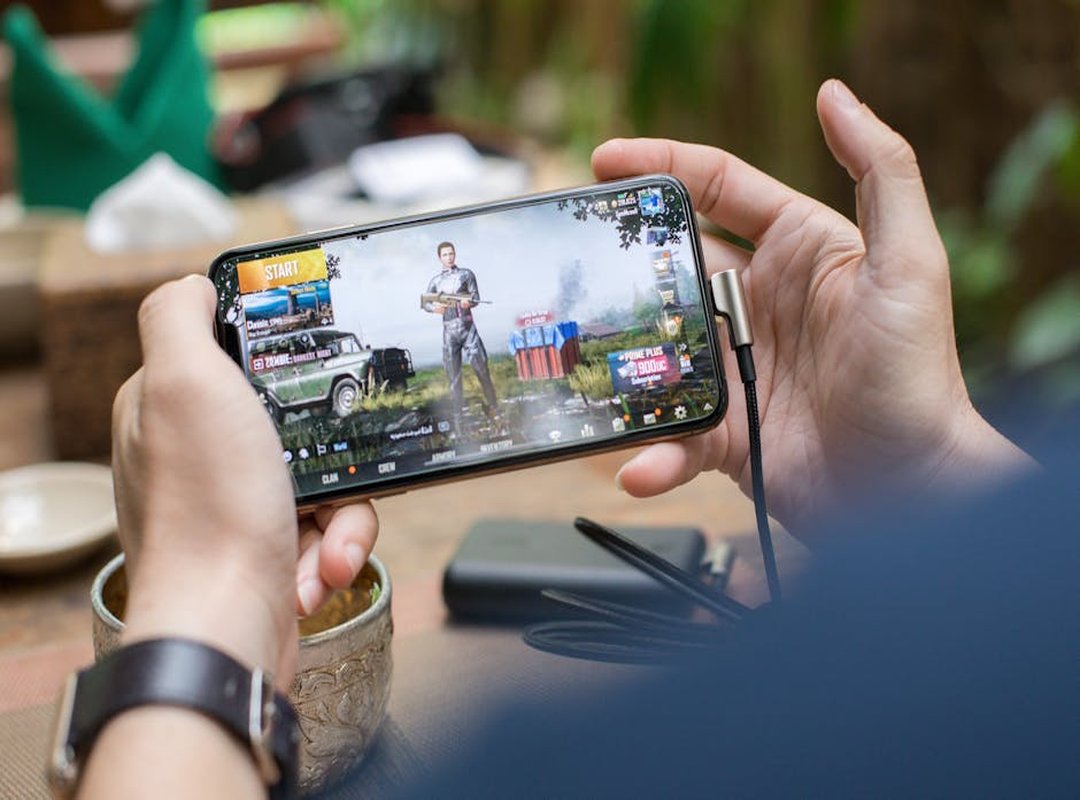
I run these sessions. I’ve watched people log in skeptical and leave laughing with someone they’d never spoken to before.
It’s not about who wins the round. It’s about who leans in when the puzzle stalls.
That quiet person in accounting? Yeah (the) one who never unmutes? In The Online Gaming Event Thehakevent, their knowledge of vintage video game soundtracks cracked a level no one else could touch.
That’s not luck. That’s design.
We build the games to force collaboration (not) competition. No solo hero moves. If you’re stuck, you have to ask for help.
And the live host isn’t just counting points. They’re watching who offers ideas, who listens first, who celebrates someone else’s win like it’s their own.
They keep energy up. They name the wins out loud. They call in the quiet ones by name (gently.)
Teams walk away with more than screenshots. They remember how Sarah from HR solved the cipher. How Marcus from DevOps drew the map on screen while everyone shouted directions.
Morale doesn’t jump because of a leaderboard. It jumps because someone finally saw you.
You think your team already knows each other? Try solving a timed logic puzzle where every clue depends on someone else’s input.
It exposes gaps. It closes them.
Read more about how we structure that shift (from) clicking buttons to actually connecting.
No icebreakers. No forced fun.
Just real moments. Built into the rules.
Is Thehakevent Right for Your Group?
I’ve run virtual games for 47 teams. Some nailed it. Others crashed before round one.
The Online Gaming Event Thehakevent works best when people actually want to play (not) just sit and nod.
Corporate teams? Yes (if) you’re tired of trust falls over Zoom. Remote onboarding?
Absolutely. It breaks the ice faster than “share your fun fact.”
Clients? Only if they’re already relaxed with your brand.
Friends and family? My cousin’s birthday group loved it. (Her dog barked through three rounds.)
Groups of 6 (25) run smoothest. More than that, and the chat drowns the host. You need stable Wi-Fi and a browser.
No downloads. No drama.
If you’re picking an event that sticks in memory (not) just fills time (go) with the Best Online Gaming Event Thehakevent.
Virtual Events Don’t Have to Feel Empty
I’ve run virtual events that flopped. You have too.
You’re tired of staring at grids of silent faces. You’re done with forced icebreakers and awkward pauses.
The Online Gaming Event Thehakevent fixes that (not) with more slides or louder facilitators, but by putting real interaction at the center.
It’s not about winning the game. It’s about laughing when someone misses a jump. It’s about teammates shouting advice over mic static.
That’s where connection happens.
You want your team to leave energized (not) exhausted.
So why keep scheduling calls that feel like dental work?
Go try The Online Gaming Event Thehakevent now. It’s the #1 rated virtual event for teams who hate virtual events.
Your next meeting starts with a real moment. Not a mute button.
Do it.
 Williamer Andersoniston has opinions about esports coverage and updates. Informed ones, backed by real experience — but opinions nonetheless, and they doesn't try to disguise them as neutral observation. They thinks a lot of what gets written about Esports Coverage and Updates, Gaming News and Trends, Game Reviews and Ratings is either too cautious to be useful or too confident to be credible, and they's work tends to sit deliberately in the space between those two failure modes.
Reading Williamer's pieces, you get the sense of someone who has thought about this stuff seriously and arrived at actual conclusions — not just collected a range of perspectives and declined to pick one. That can be uncomfortable when they lands on something you disagree with. It's also why the writing is worth engaging with. Williamer isn't interested in telling people what they want to hear. They is interested in telling them what they actually thinks, with enough reasoning behind it that you can push back if you want to. That kind of intellectual honesty is rarer than it should be.
What Williamer is best at is the moment when a familiar topic reveals something unexpected — when the conventional wisdom turns out to be slightly off, or when a small shift in framing changes everything. They finds those moments consistently, which is why they's work tends to generate real discussion rather than just passive agreement.
Williamer Andersoniston has opinions about esports coverage and updates. Informed ones, backed by real experience — but opinions nonetheless, and they doesn't try to disguise them as neutral observation. They thinks a lot of what gets written about Esports Coverage and Updates, Gaming News and Trends, Game Reviews and Ratings is either too cautious to be useful or too confident to be credible, and they's work tends to sit deliberately in the space between those two failure modes.
Reading Williamer's pieces, you get the sense of someone who has thought about this stuff seriously and arrived at actual conclusions — not just collected a range of perspectives and declined to pick one. That can be uncomfortable when they lands on something you disagree with. It's also why the writing is worth engaging with. Williamer isn't interested in telling people what they want to hear. They is interested in telling them what they actually thinks, with enough reasoning behind it that you can push back if you want to. That kind of intellectual honesty is rarer than it should be.
What Williamer is best at is the moment when a familiar topic reveals something unexpected — when the conventional wisdom turns out to be slightly off, or when a small shift in framing changes everything. They finds those moments consistently, which is why they's work tends to generate real discussion rather than just passive agreement.