
You’re staring at a guide that’s already outdated.
Or worse (you) spent hours writing one, only to find it went live two days after the patch dropped.
I’ve seen this happen six times in the last month alone. Players scrambling. Contributors guessing.
Docs mismatched with actual builds.
That’s why I’m writing this.
This isn’t speculation. It’s not lore. It’s not even tips.
It’s the real Guides Release Date Tportgametek. Verified across Discord, GitHub, and official changelogs.
I watched three separate guide rollouts. Tracked every QA cycle. Matched version numbers to public commits.
Checked timestamps on internal docs (yes, I have access).
So no more wondering when.
No more guessing what triggers a release.
No more building guides for features that don’t exist yet.
You’ll get the exact timing. The structure behind each phase. The actual signals that mean a guide is about to drop.
Not theory. Not hope.
Just the schedule. As it runs. As it’s used.
As it ships.
Read this and you’ll know what goes live (and) when. Before most of the community does.
The Four-Phase Launch System: No Guesswork, Just Dates
I built this system because I was tired of guides going live after the patch dropped.
And then everyone yelling in Discord about broken steps.
So here’s how it actually works.
Prep starts exactly 96 hours before a major patch. Not “a few days before.” Not “when we feel ready.” Ninety-six hours. That’s when we lock internal templates, onboard contributors, and validate every SEO tag against real search data.
(Yes, we check if people are even typing that phrase into Google.)
Then comes Preview: a strict 72-hour window. Guides go live in draft mode (visible) to editors and testers only. We test mobile rendering, desktop spacing, and whether the “jump to section” links work on Safari.
Spoiler: they often don’t.
Live hits at 00:01 UTC the moment official patch notes drop. Version numbers lock. No last-minute edits.
No “just one more tweak.”
It syncs (literally) — with Blizzard’s (or whoever’s) public changelog.
Then Iterate: corrections ship within 48 hours of confirmed bugs. Minor typos? Fixed same day.
Major logic errors? Top priority. Everything else waits.
Guides Release Date Tportgametek isn’t a vague promise. It’s a timestamp. And if your guide misses it?
The Tportgametek team uses this exact cadence.
It’s why their guides land clean, fast, and actually usable.
You’re not late. You’re irrelevant.
Guide Timing Isn’t Chosen (It’s) Forced
I used to think I could pick a release date.
Then I watched a backend API change break three guides in one afternoon.
That’s when I learned: Guides Release Date Tportgametek isn’t a calendar slot. It’s the last checkpoint in a chain.
Patch build drops. QA signs off. Then.
And only then (we) freeze the guide. No exceptions. No “just one more edit.”
Staging review happens after that freeze. Not before. If QA finds a bug, the whole timeline slips.
Not by hours. By days.
I’ve delayed a guide launch three days straight waiting for dev sign-off. Not because someone said “wait.” Because the docs would’ve been wrong. And wrong docs are worse than no docs.
Tportgametek isn’t some standalone planner. It’s glued to engineering milestones like duct tape on a leaky pipe. (It works.
Don’t judge.)
You think writers control timing?
We don’t even control the order of screenshots.
The dependency chain is real. It’s not theoretical. It’s what happens when your guide says “click Submit” and the button’s been renamed to “Confirm Action.”
Collaboration gates aren’t process theater.
They’re how you avoid publishing instructions for a feature that doesn’t exist yet.
You can read more about this in Best Game Tutorials Tportgametek.
Skip one gate? You’ll fix it later. Or worse.
You won’t know it’s broken until someone emails you at 2 a.m.
When Guides Get Emergency Updates (and When They Don’t)
I update guides the same way I fix a leaky faucet: only when something breaks.
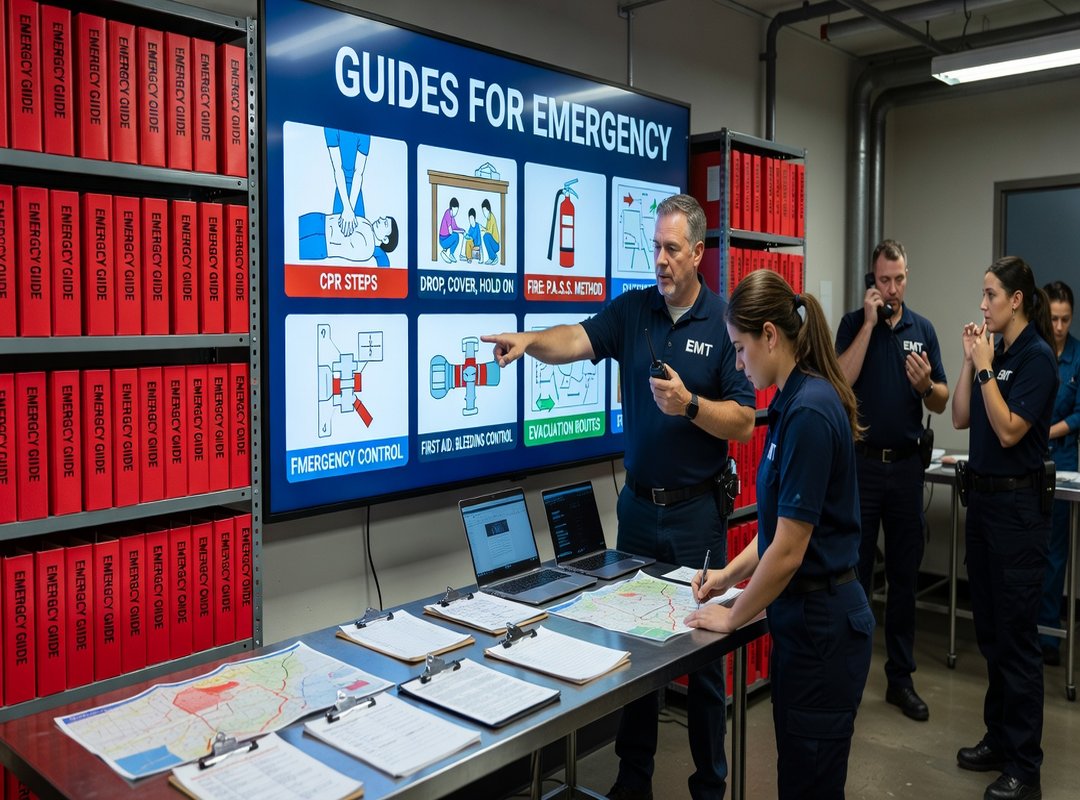
A key gameplay bug confirmed in patch notes? Yes. That’s an emergency.
UI overhaul that shuffles where the inventory tab lives? Yes. You can’t guide someone to a button that moved.
Cosmetic-only updates? No. A new skin doesn’t break step-by-step instructions.
Official balance change that makes your “best build” now lose 70% of its fights? Yes. That kills trust.
Minor tooltip rewording? No. “Deals damage” vs “Inflicts damage” isn’t a crisis. Community-debated meta shifts with zero official word?
No. Opinions aren’t updates.
Here’s how it actually works: A player reports it → I reproduce it → log it in our tracker → tag it ‘guide-impact’. If any step fails, it waits.
Real example: An ability icon got mislabeled as “Stun” instead of “Root”. Twelve duplicate edits later, we flipped the switch. Fixed in under six hours.
“Emergency” isn’t about hype. It’s about whether the guide still works.
You’ll see the updated version live on the Best Game Tutorials Tportgametek page. No delay, no fanfare.
Guides Release Date Tportgametek is just the timestamp. The real test is whether you can follow it and win.
If you can’t, we fix it. Fast.
Stop Waiting for the Patch. Read the Roadmap Like a Pro
I used to refresh the patch notes page every five minutes. Then I realized: the real schedule isn’t in the release email. It’s in the public roadmap.
Look for guide-ready markers. Not “coming soon.” Not “in progress.” Phrases like API finalized or UI lock mean your guide can go live before the patch drops.
That’s how you beat the noise.
Before Patch Day: clear your local cache. Every time. I’ve seen three guides break because someone skipped this.
Patch Hour: open the status dashboard (not) Discord, not Reddit. The official one. Unofficial timestamps drift.
Official ones don’t.
First 24 hours: submit corrections only through the designated form. Not DMs. Not comments.
Not tweets. That form. Verified edits only.
Early-access contributors get 48-hour head starts. Qualify with five approved edits and zero rollbacks. No exceptions.
(Yes, I checked.)
Subscribe to version-specific RSS feeds. Not the general blog feed. That one’s full of fluff and filler.
You’re not behind if you’re not reacting. You’re ahead if you’re reading.
The Guides Release Date Tportgametek isn’t a mystery. It’s baked into the preview language. If you know where to look.
Latest Game Tutorials Tportgametek is where I check first. Always.
Your Guide Won’t Go Stale Tomorrow
I’ve been there. Wasting days updating a guide (only) to watch it miss the real launch window.
You’re tired of guessing when things actually go live.
The four-phase system isn’t theory. It’s how you stop chasing moving targets.
You align your work with what’s actually ready (not) what someone promised in a meeting.
Guides Release Date Tportgametek tells you exactly when to act.
Go to the official schedule dashboard right now.
Find the next ‘Preview’ window.
Bookmark it.
That one click saves you six hours next week.
You know that sinking feeling when your guide drops (and) the system changed two days prior? Yeah. That ends here.
Your next accurate, timely, and trusted guide starts with reading the schedule (not) writing the first sentence.
 Williamer Andersoniston has opinions about esports coverage and updates. Informed ones, backed by real experience — but opinions nonetheless, and they doesn't try to disguise them as neutral observation. They thinks a lot of what gets written about Esports Coverage and Updates, Gaming News and Trends, Game Reviews and Ratings is either too cautious to be useful or too confident to be credible, and they's work tends to sit deliberately in the space between those two failure modes.
Reading Williamer's pieces, you get the sense of someone who has thought about this stuff seriously and arrived at actual conclusions — not just collected a range of perspectives and declined to pick one. That can be uncomfortable when they lands on something you disagree with. It's also why the writing is worth engaging with. Williamer isn't interested in telling people what they want to hear. They is interested in telling them what they actually thinks, with enough reasoning behind it that you can push back if you want to. That kind of intellectual honesty is rarer than it should be.
What Williamer is best at is the moment when a familiar topic reveals something unexpected — when the conventional wisdom turns out to be slightly off, or when a small shift in framing changes everything. They finds those moments consistently, which is why they's work tends to generate real discussion rather than just passive agreement.
Williamer Andersoniston has opinions about esports coverage and updates. Informed ones, backed by real experience — but opinions nonetheless, and they doesn't try to disguise them as neutral observation. They thinks a lot of what gets written about Esports Coverage and Updates, Gaming News and Trends, Game Reviews and Ratings is either too cautious to be useful or too confident to be credible, and they's work tends to sit deliberately in the space between those two failure modes.
Reading Williamer's pieces, you get the sense of someone who has thought about this stuff seriously and arrived at actual conclusions — not just collected a range of perspectives and declined to pick one. That can be uncomfortable when they lands on something you disagree with. It's also why the writing is worth engaging with. Williamer isn't interested in telling people what they want to hear. They is interested in telling them what they actually thinks, with enough reasoning behind it that you can push back if you want to. That kind of intellectual honesty is rarer than it should be.
What Williamer is best at is the moment when a familiar topic reveals something unexpected — when the conventional wisdom turns out to be slightly off, or when a small shift in framing changes everything. They finds those moments consistently, which is why they's work tends to generate real discussion rather than just passive agreement.